
Preparedness
Wildfire Evacuation Levels Explained: Ready, Set, Go
What evacuation warnings, orders and Level 1, 2 and 3 alerts mean during a wildfire, how the names differ between regions, and what to do at each stage.
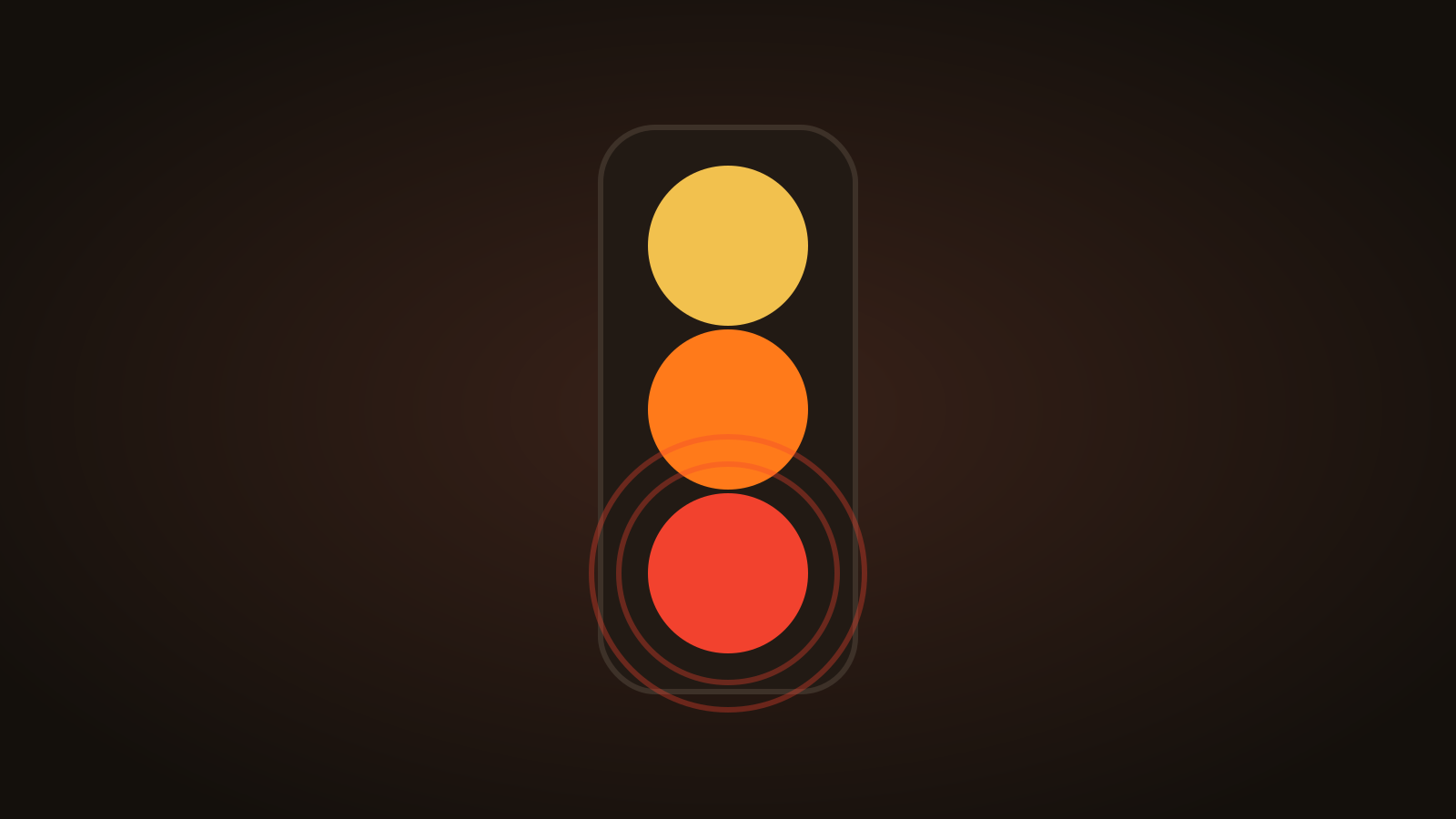
Evacuation alerts go by different names depending on where you live, which is confusing exactly when time matters most. Most systems follow the same three-step idea, often summarised as Ready, Set, Go.
The three stages
Level 1 — Ready
A fire is burning in the region and conditions could change. No one is being asked to leave yet. Review your plan, check your go bag, and keep an eye on official channels. Some areas call this an advisory.
Level 2 — Set (evacuation warning)
There is a potential threat to life and property. Be ready to leave at a moment's notice. Anyone who needs more time — people with mobility needs, families with young children, pet and livestock owners — should leave now. California calls this an Evacuation Warning.
Level 3 — Go (evacuation order)
There is an immediate threat. Leave now — in many places this is a lawful order. Don't stop to pack, and follow the routes officials give you rather than your usual way out.
Other alerts you may see
- Shelter in place — leaving is more dangerous than staying, for example when roads are blocked by fire. Go indoors and follow instructions.
- Evacuation lifted — you may return, but expect hazards such as downed power lines, ash, smoke and damaged roads.
- Road closures — often issued alongside evacuations, and they may block your usual route.
How the names differ by region
In the United States, many counties use numbered levels, while California uses "warning" and "order". Canadian provinces usually issue an evacuation alert followed by an evacuation order. In Australia, warnings follow the Australian Warning System: Advice, Watch and Act, and Emergency Warning. Whatever the wording, use the terms your local authorities use.
How to make sure you get alerts
- Sign up for your county or regional emergency alert service.
- Keep emergency and government alerts switched on in your phone settings.
- Learn your evacuation zone — many areas now split communities into numbered zones so alerts can target specific neighbourhoods.
- Follow your local fire agency and sheriff or police on their official channels.