Fire basics
What Does Wildfire Containment Mean? Acres, Perimeter and Percent Contained
What it means when a wildfire is 40% contained, how control lines work, why fires can grow while containment rises, and contained vs. controlled vs. out.
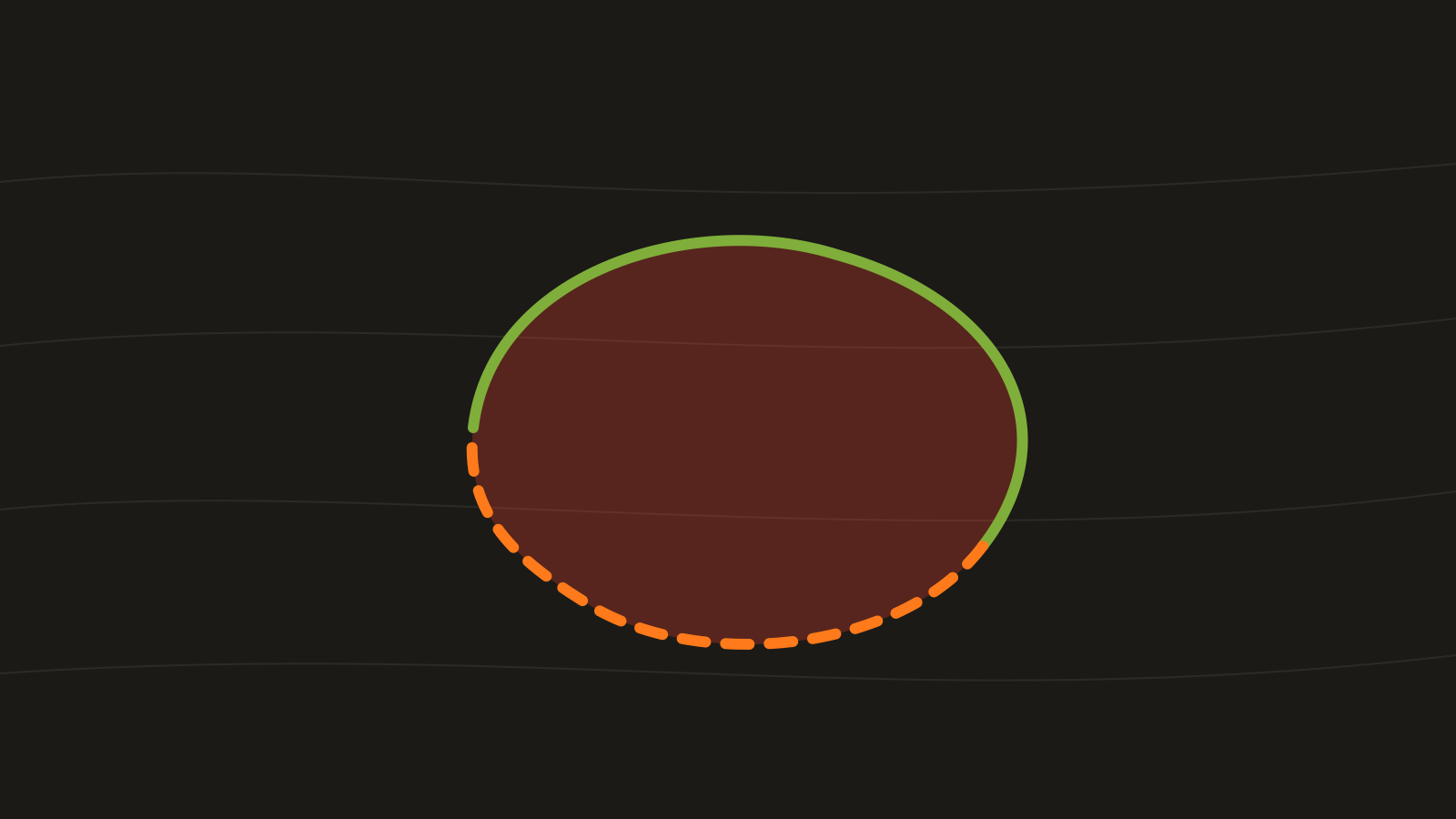
Fire updates usually include two numbers: how big the fire is and what percentage is contained. Both are easy to misread — a fire that is 50% contained isn't half out, and a huge fire in the backcountry can pose less risk than a small one near homes.
What "percent contained" means
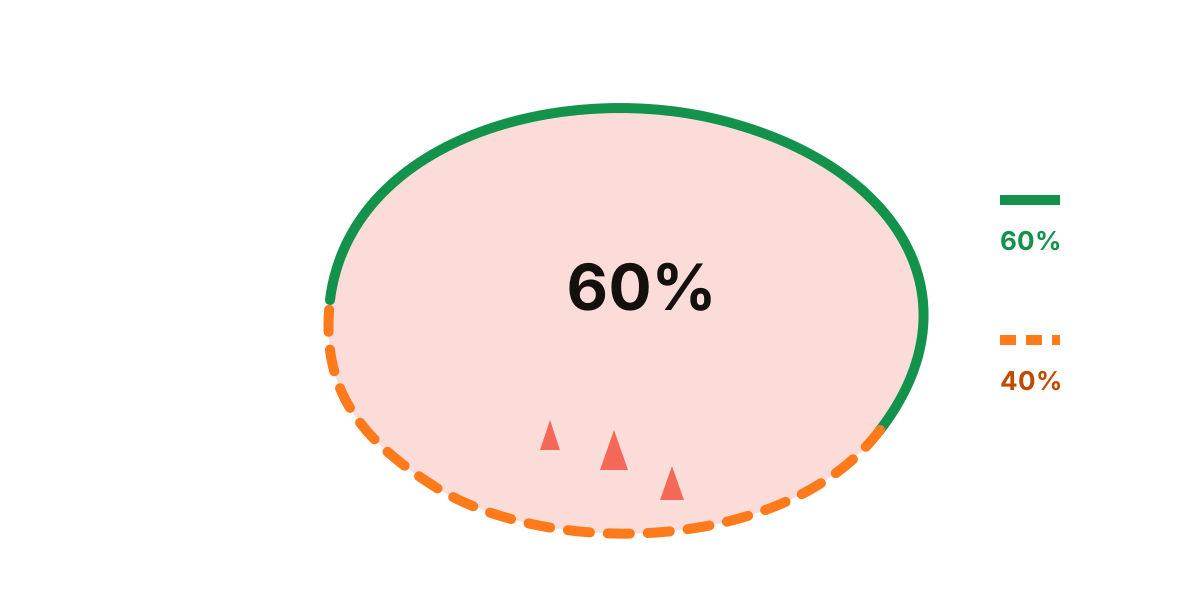
Containment measures how much of the fire's perimeter — its outer edge — has a control line that crews are confident will stop the fire spreading. If 60% of the edge is secured, the fire is 60% contained. The other 40% can still move.
What counts as a control line
- Hand lines and dozer lines — strips cleared down to bare soil.
- Natural barriers — rivers, lakes, rocky ground or areas that have already burned.
- Roads and highways, usually reinforced by crews.
- Retardant lines dropped by aircraft slow a fire down, but crews normally still have to secure them on the ground.
Why a fire can grow while containment rises
Containment and size move independently. Crews may secure the slower flanks while wind drives the head of the fire forward, so the acreage grows even as the percentage climbs. Containment can also fall if the fire jumps a line or the perimeter grows faster than crews can secure it.
Contained, controlled and out
- Contained — a control line surrounds the whole fire (100%) and crews expect it to hold. There can still be heat and smoke inside.
- Controlled — the line is fully secured and no longer needs active work, although pockets inside may keep burning.
- Out — no heat or smoke remains. Large fires can take weeks or even months to be declared out.
Reading fire size
In the United States fire size is usually reported in acres, while Canada and most other countries use hectares. One hectare is about 2.47 acres, and 1,000 hectares is 10 square kilometres. Size tells you how much land has burned, not how much risk you face — distance, wind direction and terrain matter far more. See how fire weather drives spread.